
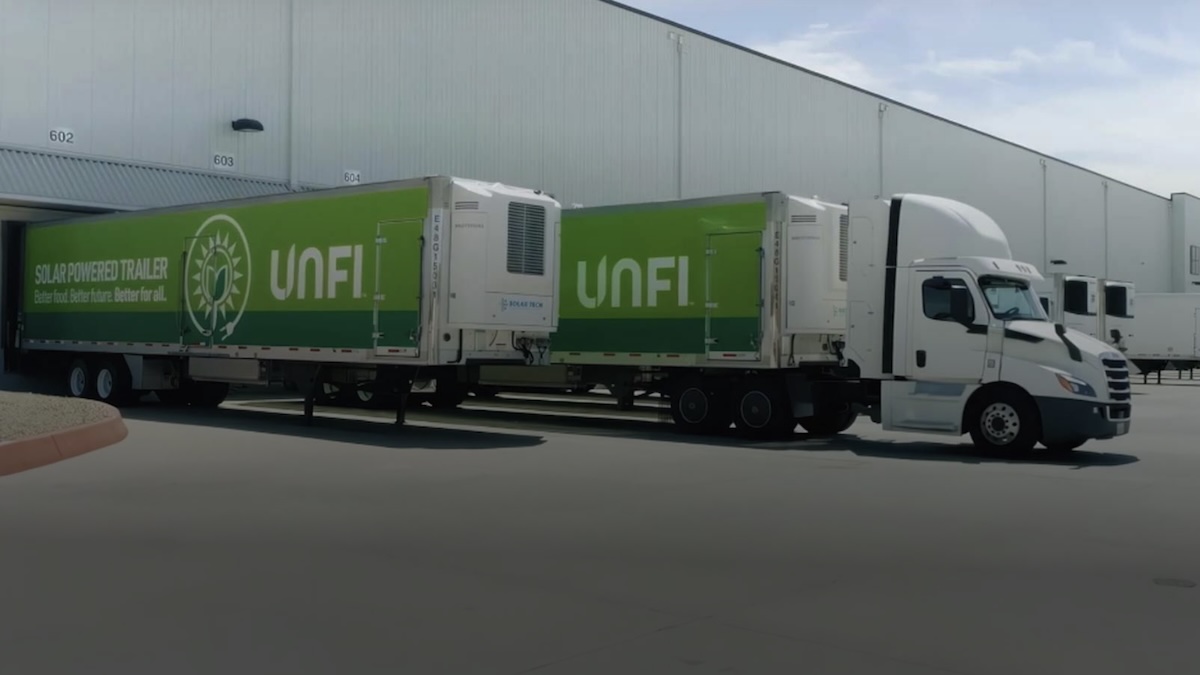
UNFI Cyberattack: Navigating a $400 Million Sales Impact and Bolstering Supply Chain Resilience
In an increasingly interconnected digital landscape, no industry is immune to the pervasive threat of cyberattacks. The food distribution sector, a critical pillar of global infrastructure, recently witnessed this firsthand when United Natural Foods, Inc. (NYSE: UNFI), a titan in the North American grocery supply chain, fell victim to a significant cyber intrusion in June 2025. This incident sent ripples through its extensive network, leading to substantial operational disruptions and a projected fiscal 2025 net sales impact of up to $400 million.
UNFI, widely recognized as the primary distributor for Amazon’s Whole Foods and a vital partner for over 30,000 locations, quickly moved to assess the damage and reassure stakeholders. While the financial projections paint a stark picture of revenue and income loss, the Rhode Island-based natural food products giant also highlighted a crucial silver lining: the anticipated role of insurance proceeds in significantly offsetting these financial setbacks. This incident serves as a stark reminder of the escalating cyber risks faced by critical infrastructure and the indispensable value of robust cybersecurity measures and comprehensive risk mitigation strategies, including cyber insurance.
The Anatomy of the Attack: Disruptions and Detection
The unauthorized activity on UNFI’s IT systems was first detected on June 5, 2025. In a swift response to contain the intrusion and prevent further compromise, the company proactively took certain systems offline. While a necessary step, this action inevitably triggered widespread disruptions across its complex business operations. The immediate consequence was a hampered ability to fulfill and distribute customer orders, affecting a vast ecosystem of natural product superstores, conventional supermarket chains, e-commerce providers, and independent retailers reliant on UNFI’s extensive catalog of over 250,000 natural, organic, and conventional SKUs.
Details surrounding the precise nature of the cyberattack remain undisclosed by UNFI. The company has not specified if ransomware was involved, a common tactic in sophisticated intrusions that encrypt data and demand payment for its release. However, the scale of operational disruption and the financial estimates strongly suggest a significant event, likely impacting critical business processes such as order processing, inventory management, logistics, and potentially customer data. The speed with which UNFI detected the activity and the decisiveness in taking systems offline underscore the importance of early detection and a well-practiced incident response plan.
Financial Fallout: A Deep Dive into the Numbers
In an update released on July 16th, UNFI provided a detailed outlook on the estimated financial repercussions of the cyber incident. The figures highlight the substantial economic cost that such attacks can impose on large enterprises, even those with significant revenue streams approaching $30 billion annually.
Estimated Fiscal 2025 Financial Impact from Cyberattack
| Metric | Estimated Impact (Net) | Notes |
|---|---|---|
| Net Sales | $350 to $400 million reduction | Direct impact from disrupted order fulfillment and distribution. |
| Net Income | $50 to $60 million reduction | Includes estimated tax impact. |
| Adjusted EBITDA | $40 to $50 million reduction | Earnings Before Interest, Taxes, Depreciation, and Amortization. |
These estimates, as explicitly stated by UNFI, do not yet reflect the benefit of anticipated insurance proceeds. This distinction is crucial, as the company “expects will be adequate for the incident,” suggesting a high degree of confidence in their cyber insurance coverage to mitigate the ultimate financial burden. This underscores the growing importance of specialized cyber insurance policies as a critical component of enterprise risk management in today’s digital age.
Operational Recovery and Leadership’s Perspective
The immediate aftermath of a cyberattack is a period of intense activity, focusing on containment, eradication, recovery, and post-incident analysis. For UNFI, a company whose very business model hinges on efficient logistics and timely delivery, restoring operations was paramount. CEO Sandy Douglas acknowledged the challenges faced by all involved parties:
“We are grateful to our customers, suppliers, and associates for their resilience and collaboration as we worked through a challenging period for all of us. With our operations returning to more normalized levels, we remain focused on adding value for our customers and suppliers while becoming a more efficient and effective partner.”
Douglas’s statement emphasizes the collaborative effort required to navigate such an event. The resilience of UNFI’s extensive network of customers, suppliers, and its own associates played a critical role in the recovery process. The company has indicated that it does not anticipate a meaningful operational or financial impact beyond the fourth quarter of fiscal 2025, aside from insurance reimbursement. This projection suggests a relatively contained incident with a clear path to full recovery within a defined timeframe, a testament to effective incident management and potentially robust backup systems.
UNFI’s Strategic Position and Supply Chain Vulnerabilities
As North America’s largest full-service grocery partner, UNFI’s operational stability is not just a concern for its shareholders but also for the broader food supply chain. Delivering products to over 30,000 locations with more than 50 distribution centers, UNFI sits at a critical juncture, bridging producers and consumers. This strategic position, while enabling immense logistical power, also presents a lucrative target for cybercriminals.
The food supply chain, characterized by just-in-time inventory, complex logistics, and often razor-thin margins, is inherently vulnerable to disruptions. A cyberattack on a major distributor like UNFI can have cascading effects, potentially leading to product shortages, increased costs, and eroded consumer trust. The attack highlights a broader trend: cybercriminals are increasingly targeting critical infrastructure, recognizing the high impact and potential for significant payouts or disruption. From agricultural technology to processing plants and distributors, every link in the food supply chain represents a potential entry point for malicious actors.
The Unsung Hero: Cyber Insurance
One of the most noteworthy aspects of UNFI’s announcement is the explicit mention of anticipated insurance proceeds. In an era where the average cost of a data breach continues to climb, cyber insurance has transitioned from a niche product to an essential risk management tool for businesses of all sizes, especially those in critical sectors. For UNFI, the expectation that insurance will be “adequate” to cover the incident’s costs significantly cushions the financial blow, transforming what could have been a catastrophic event into a manageable one from a balance sheet perspective.
Cyber insurance policies typically cover a range of costs associated with an incident, including:
- Incident Response Costs: Forensics, legal counsel, notification services, public relations.
- Business Interruption: Lost profits due to system downtime.
- Data Restoration: Costs associated with recovering or recreating compromised data.
- Extortion Payments: Ransomware demands (though often with specific conditions).
- Liability Costs: Legal fees and damages resulting from third-party claims.
UNFI’s experience underscores the strategic value of investing in comprehensive cyber insurance, not just as a safety net but as a proactive measure to mitigate financial exposure from an inevitable threat.
Lessons Learned and Future-Proofing the Supply Chain
The UNFI cyberattack provides a powerful case study for organizations across all sectors, particularly those with extensive supply chain operations. Several key takeaways emerge:
Critical Lessons from the UNFI Cyber Incident
- Proactive Detection and Rapid Response: UNFI’s quick detection and system isolation were crucial in containing the damage. Investing in advanced threat detection systems and having a well-rehearsed incident response plan are non-negotiable.
- Importance of Cyber Insurance: The role of adequate cyber insurance cannot be overstated. It provides a vital financial buffer against the escalating costs of cyber incidents, allowing companies to focus on recovery rather than bankruptcy.

- Supply Chain Resilience: The incident highlights the interconnectedness of modern supply chains. Companies must assess not only their own cyber defenses but also those of their critical third-party vendors and partners.
- Employee Training and Awareness: Human error remains a leading cause of breaches. Continuous training on phishing, social engineering, and secure practices is essential.
- Robust Backup and Recovery Strategies: The ability to quickly restore systems and data from secure, isolated backups is critical for minimizing downtime and avoiding ransomware payments.
For large distributors like UNFI, the complexity of their IT infrastructure and the sheer volume of transactions make them particularly attractive targets. Continuous investment in cybersecurity infrastructure, including advanced perimeter defenses, endpoint detection and response (EDR), and security information and event management (SIEM) solutions, is paramount.
The Broader Cybersecurity Landscape and Industry Trends
The UNFI incident is not an isolated event but rather indicative of a broader trend in enterprise cybersecurity. Threat actors are becoming more sophisticated, targeting critical business functions for maximum impact. As highlighted by industry experts, organizations are grappling with new challenges:
- AI-Driven Threats: The rise of AI-powered tools offers new capabilities for both attackers and defenders. Enterprises rushing AI projects into production without proper security considerations are vulnerable.
- Third-Party Risk Management: Breaches often originate through third parties. Effective vendor risk management programs are crucial but often fall short in practice.
- Alignment of Security and Business Continuity: The most resilient organizations are those that align security, continuity, and risk management around what the business cannot afford to lose.
- Sovereign Architectures: For sensitive data and critical AI initiatives, adopting sovereign architectures can enhance security and compliance.
These trends underscore the need for a holistic approach to cybersecurity, moving beyond reactive measures to proactive, integrated strategies that protect the entire attack surface.
Looking Ahead: UNFI’s Path to Enhanced Security and Efficiency
As UNFI moves past the immediate fallout of the cyberattack, the company remains focused on its strategic objectives. The updated full-year outlook, reflecting both strong performance in the first three fiscal quarters and the costs associated with the cyber incident, demonstrates a commitment to transparency and strategic adjustments. The emphasis on “adding value for our customers and suppliers while becoming a more efficient and effective partner” suggests that this incident will likely galvanize further investments in operational resilience and cybersecurity capabilities.
The journey to full recovery and enhanced security is ongoing. For UNFI and its peers in the vital food distribution sector, the June 2025 cyberattack serves as an expensive but invaluable lesson in the relentless nature of cyber threats and the absolute necessity of comprehensive preparedness, robust defense mechanisms, and strong financial protections like cyber insurance. It reinforces the idea that in today’s digital economy, cybersecurity is not merely an IT function; it is a fundamental business imperative for continuity, reputation, and sustained success.
Latest posts

Traditional vs digital advertising in 2026: which one to choose?

Duplicate Content: A Problem for Your Natural Referencing?

SEO Forums: The Complete List [2026]
How to build a successful linking strategy?

5 tips for successful marketing based on storytelling

Instagram profile photo: the practical guide [+Outils]

Twitter: 7 strategies to stand out

How to increase your awareness using digital?

Why premium domains improve your customer acquisition cost (CAC)